
kapan Kathmandu





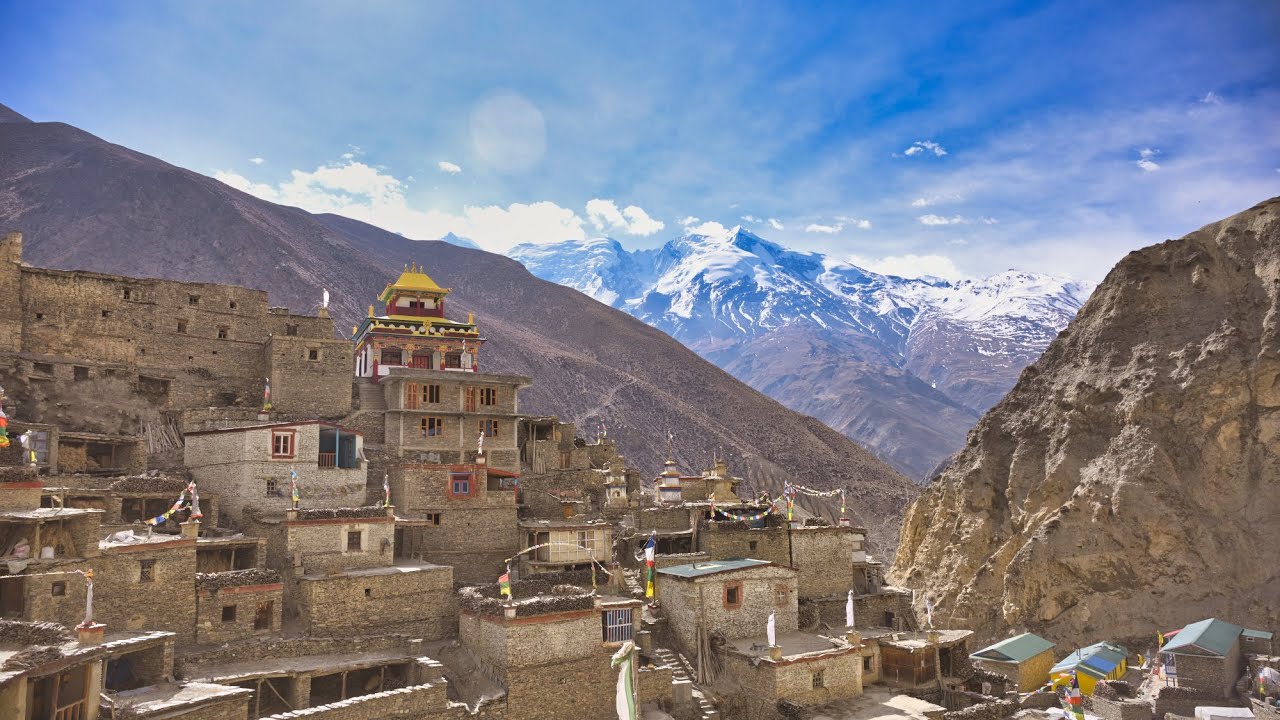
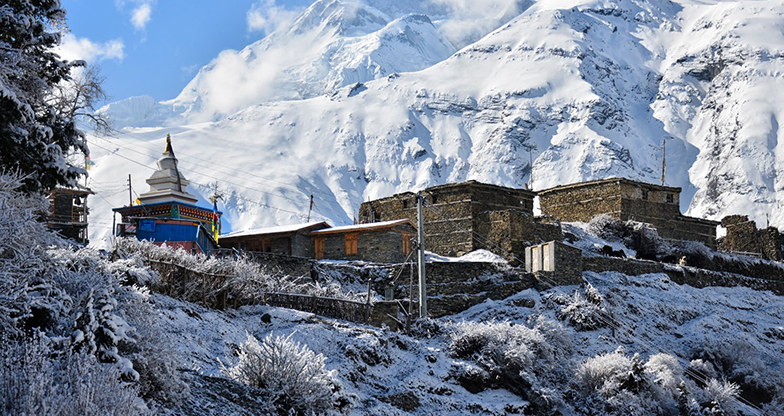
The Nar Phu Valley Trek is one of Nepal’s most remote and culturally rich treks, taking you deep into the hidden valleys of the Annapurna region. Tucked between the more popular Annapurna Circuit and the Tibetan Plateau, this trek offers a rare opportunity to explore ancient Tibetan-influenced villages, dramatic high mountain landscapes, and untouched Buddhist monasteries. The trail was only opened to trekkers in 2003 and remains relatively untouched by tourism, offering an immersive and adventurous experience. Crossing the high Kang La Pass (5,320 m) is the physical highlight, while the spiritual depth and raw Himalayan beauty make it unforgettable.
The journey begins with a long but scenic drive from Kathmandu to Koto, passing through Besisahar and following the Marsyangdi River. The road gradually transitions from lowland fields to alpine pine forests. Koto is the starting point of your off-the-beaten-path journey into the Nar Phu Valley.
Your trek starts as you leave the popular Annapurna Circuit behind and enter a restricted area. The trail follows the Nar Khola through deep gorges and forested trails. After crossing several suspension bridges and waterfalls, you'll arrive at Meta, a small Tibetan-influenced settlement perched on a ridge.
Today’s walk is filled with awe-inspiring landscapes—narrow canyons, layered rock formations, and deserted villages that look frozen in time. Upon reaching Phu Gaon, you'll explore this medieval village surrounded by towering cliffs and overlooked by the iconic Tashi Lhakhang Monastery, one of the oldest in the region.
This rest day allows your body to adjust to the altitude. You can explore the village, interact with locals, and take short hikes around Phu, including visits to glacier viewpoints or the Yak herders' camps nearby. It’s also a great chance to witness traditional Tibetan Buddhist culture.
You’ll descend back along the same route before diverging toward Nar Phedi. The night is spent in the Nar Phedi Monastery, offering a unique experience where trekkers sleep in monastic quarters and dine with the nuns, immersing themselves in spiritual simplicity.
A relatively short climb brings you to Nar, another authentic and isolated Tibetan-style village. It’s slightly more developed than Phu but retains its traditional architecture and way of life. You’ll have time to explore monasteries, meet locals, and prepare for the big pass the next day.
The most challenging and rewarding day! Start early to cross the Kang La Pass, offering jaw-dropping views of Annapurna II, Gangapurna, and Tilicho Peak. The descent is long but scenic, bringing you to Ngawal, a beautiful village on the Annapurna Circuit with better facilities.
Today is a relatively easy descent through pine forests and small villages. As you reconnect with the Annapurna Circuit, the contrast between the solitude of Nar Phu and the busier trail is stark. You’ll overnight in Pisang, where the facilities are more developed.
After breakfast, you’ll board a jeep and drive down the rugged road alongside the Marsyangdi River, passing through Chame, Dharapani, and eventually reaching Besisahar, the administrative center of Lamjung district.
The final drive takes you back to Kathmandu, retracing your route through mid-hill towns and terraced fields. After a long day, you’ll check into your hotel and can enjoy a warm shower and a celebratory dinner.
This day is kept as a buffer for acclimatization issues, weather delays, or rest. It can be used earlier in the trek if needed or enjoyed as a free day in Kathmandu.
Transfer to the airport for your international flight or continue your journey in Nepal.
Very remote. There are no roads or medical posts after Koto until you rejoin the Annapurna Circuit. Food and facilities are basic but sufficient.
Yes. The trek involves high altitude. The rest day in Phu and gradual ascent helps prevent altitude sickness. Still, hydration and awareness of symptoms are vital.
Temperatures can drop to -10°C or lower at night above 4,000 m. Warm gear is essential.
Yes. Nar Phu is a restricted area, and a registered guide is mandatory. You must also trek in a group of at least two (or pay a fee for a ghost permit if solo).

Crossing Kang La Pass was a beast of a day, but the views made it totally worth it. Our guide was amazing and made everything smooth. Not a trek for beginners though.
Nar Phu was pure magic. We barely saw any other trekkers. The culture, the silence, the raw landscape, it felt like stepping back in time.

© Nepal Adventure Tour and Travel 2026



Developed by: Web House Nepal